
quality
Wholesale Pickup Truck Accessories Supplier: A Buyer's Checklist
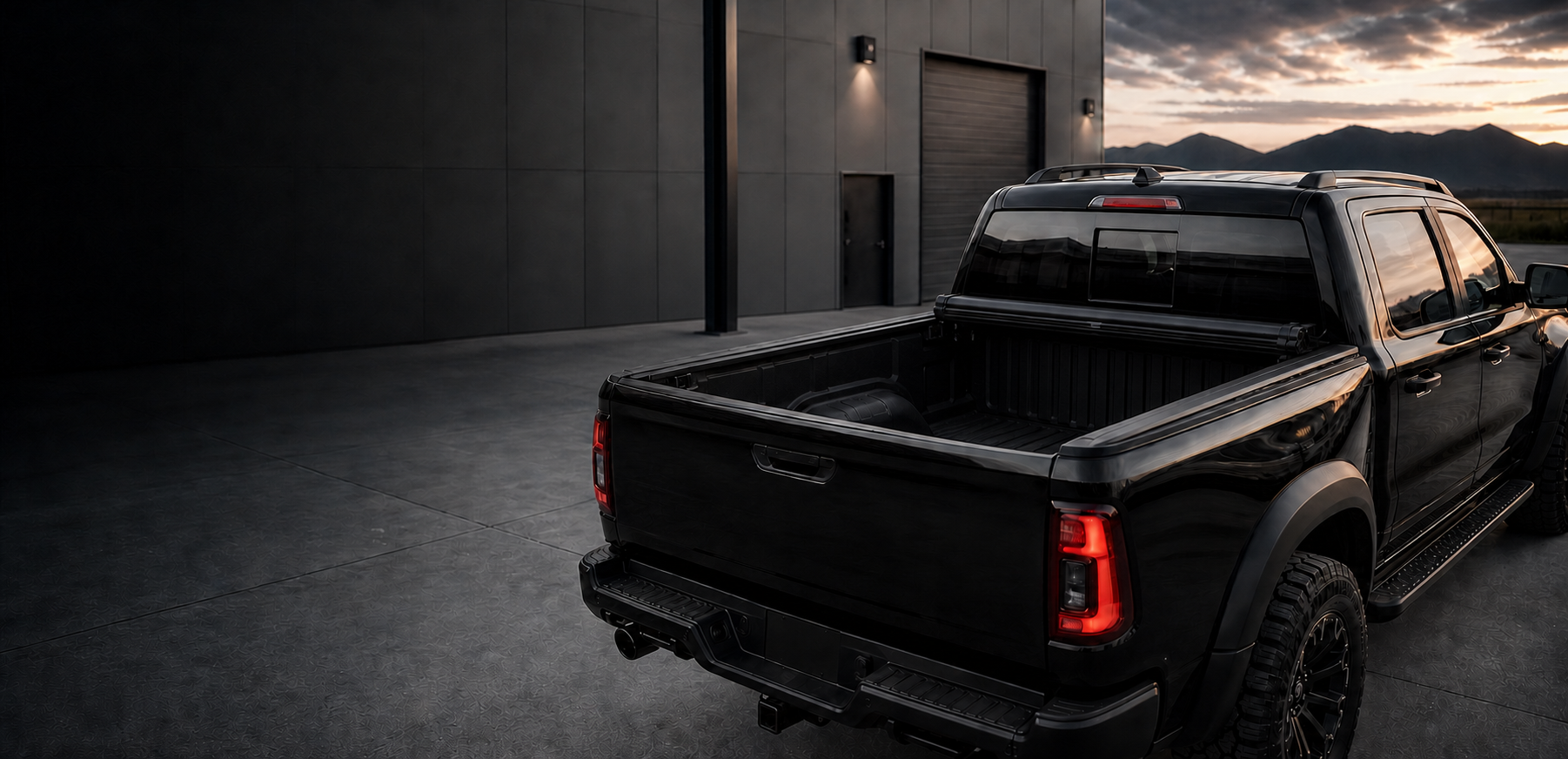
Wholesale buying is where a distributor's margin is decided, months before the first sale. The trap is treating a supplier's catalogue as an assortment: a long list looks like choice, but it usually hides gaps in the sizes, colours and configurations that the local market actually buys.
A wholesale pickup truck accessories supplier should be compared on assortment depth, model coverage for your market, carton configuration, replenishment reliability and spare-part support. Unit price sits on top of those five; if any of them is missing, a cheap container becomes expensive inventory.
Assortment is a commercial decision, not a catalogue count
Two suppliers may both claim "hundreds of SKUs". What matters for a distributor is whether the SKUs are the ones your market actually buys. A range built for a Middle East fleet buyer looks different from one built for a European off-road enthusiast: bed dimensions, rail systems and preferred cover type all change.
Start from the vehicles that are common in your territory, then ask which products the factory can deliver repeatably for those platforms, rather than starting from the product list. Model coverage that cannot be restocked is coverage that cannot be sold twice.
The checklist before you place a container order
- Assortment fit. Number of models per product family, and whether mixed models can be combined in one order .
- Carton and pallet configuration. Master carton dimensions, carton strength, unit packing, pallet pattern and container loading plan all affect landed cost more than a small price difference.
- Replenishment terms. Repeat-order lead time, whether tooling stays available, and how quickly a fast-selling SKU can be restocked.
- Spare parts and claim policy. Brackets, seals, locks and hardware are the parts that generate after-sales complaints; confirm they can be supplied separately.
- Documentation for resale. Product data, installation sheets, warranty wording and label content your customers will read.
How to compare two wholesale quotations fairly
Convert both to the same basis: same model, same material, same coating, same carton, same terms, same destination. Then compare landed cost per sellable unit, not ex-works price per piece. A quotation that packs one more unit per carton, or ships unassembled to reduce volume, can beat a nominally cheaper offer once freight is included.
Also ask what happens after the sale. A distributor's cost of a failed installation is several times the part price, in labour, reputation and returns. Suppliers that answer that question in writing are the ones worth a long-term relationship.
How WINFOR works with wholesale buyers
WINFOR supplies pickup bed systems and exterior accessories to distributors and brands, and its production scope runs from tube cutting and CNC bending through coating, assembly, inspection and export packing. Distributors typically begin with a market list, the vehicle platforms they sell into and a target container mix; the factory then proposes a SKU set that can be produced and restocked consistently.
Q1. Can I mix product lines in one order?
A: Mixed-line ordering is a commercial term; confirm assortment and packing rules with the supplier before the order. Yes, WINFOR can discuss mixed-product orders based on customers' requirements. The available product combinations, MOQ and packaging arrangements are subject to product specifications and order details. Please contact WINFOR's sales team to confirm the possibilities for your order.
Q2. Where do I see the full model list?
A: The /products catalogue lists 12 product lines and 61+ model numbers. You can explore WINFOR's full product range on our Products page. It covers 12 product categories with more than 61 model options. The website provides an overview of our product range, while additional models and configurations are available upon request. Please contact WINFOR's sales team for a more comprehensive product catalogue and detailed product information.
A wholesale order is a commercial bet on a specific vehicle mix, price ladder and stock rhythm, and the supplier is only one input. Build the order from the local bed and model mix backwards, keep the option matrix narrow, and price the freight and claim allowance into the unit cost before comparing suppliers.