export
How Pickup Truck Accessories Manufacturers Support Global Distributors
Distributors rarely fail because the product is bad. They fail because support was assumed rather than agreed: fitment data arrived late, restock slipped, spare parts had no price, and nobody had written down who handles a claim. This article lists the support functions that actually decide whether a distribution line works.
Supporting global distributors is a different job from selling one container. It requires market-specific SKU selection, private-label readiness, shipment consolidation across product families, resale documentation and an after-sales parts channel. Factories that only quote unit prices usually fail distributors in the second year, when restocking and model changes matter more than the first order.
Four support functions distributors actually need
The first is product-market mapping. A distributor in a market dominated by one or two pickup models needs depth on those platforms, not a wider catalogue. A good factory asks for the local model mix, then proposes the covers, canopies and bars that will actually turn.
The second is private label. Brands need logo application, packaging design, labels and product data that match their own identity. This is a production-planning question, not a printing question, because it changes packing lines and batch sizes.
The third is consolidation. Distributors buying canopies, tonneau covers, roll bars and running boards from one source save freight and paperwork, but only if the factory can plan one loading plan across families and hold a single QA standard.
The fourth is after-sales. Brackets, seals, locks and hardware fail first; a factory that can ship service parts and replacements separately protects the distributor's reputation, not just its margin.
What to define in a distributor agreement
- Territory and SKU list, with the vehicle platforms each SKU serves.
- Price validity period and the currency or index basis for review, since coating and aluminium input costs move.
- Lead time, production slot allocation and a restock buffer for best sellers.
- Marketing assets: installation guides, product photography, specification sheets and warranty wording your dealers can publish.
- Claim handling: response window, evidence required, and who pays freight on a replacement.
- Exclusivity conditions, if any, including volume thresholds and how they are measured.
How WINFOR works with distributors
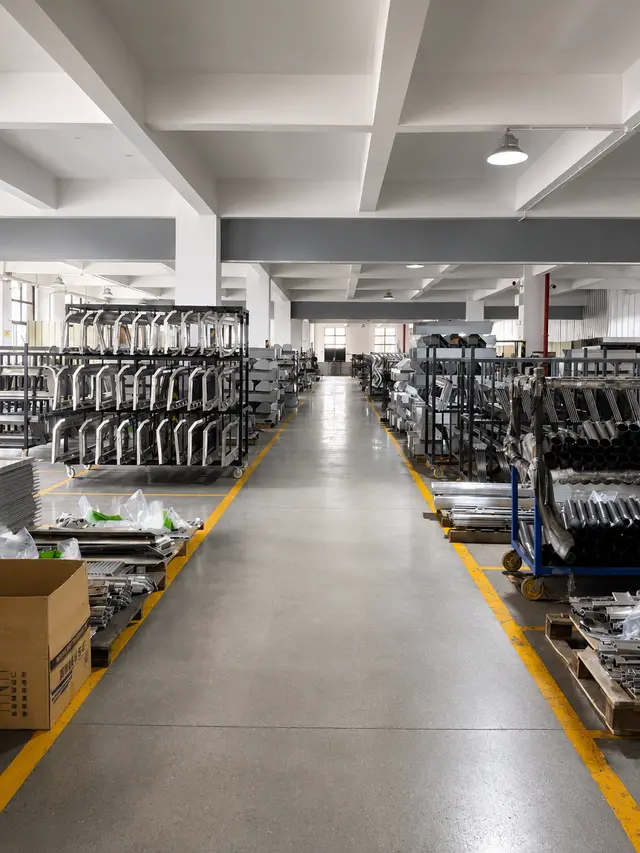
WINFOR manufactures pickup bed systems and exterior accessories in Guangzhou and ships to distributors and brands across multiple markets. Projects typically start from the distributor's model mix and target price band; the factory then proposes a SKU set, a packaging format and a loading plan that keeps the range coherent.
New distributors are usually invited to begin with a trial mix rather than a full range, so that fitment feedback, documents and restock speed can be tested on real sales.
Q1. Can a custom part be based on my own drawings?
A: Yes. Customers can provide their own drawings as a starting point for custom product development. WINFOR's development process may also involve 3D scanning, prototype development and trial fitment to verify dimensions, compatibility and installation before production.
Q2. How long does development take?
A: The development lead time depends on the product's complexity, design requirements and testing needs. As development timelines vary by project, customers are encouraged to request a confirmed schedule in their written quotation.